
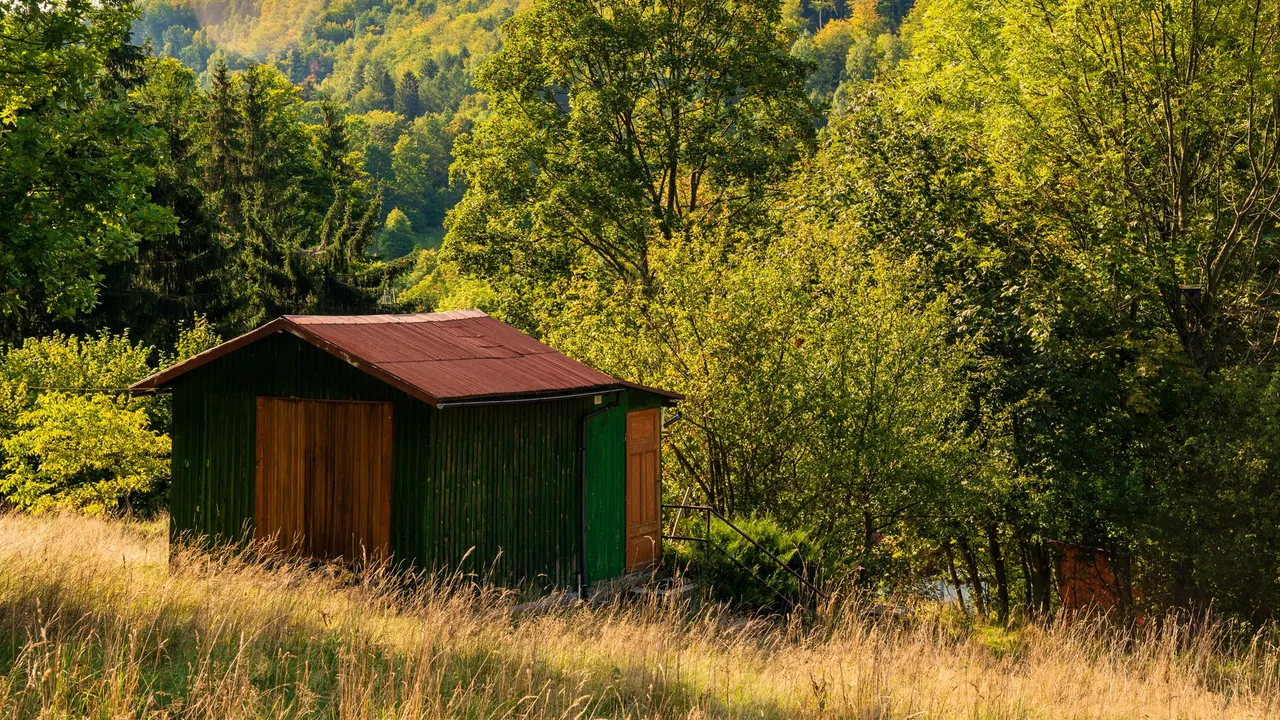
Why colour selection matters before you order
Choosing shed colours before you lock in an order is one of the most practical decisions you can make. Steel cladding is supplied in a fixed palette by the manufacturer, and once panels are roll-formed and delivered, changing your mind is costly. Getting the colour right the first time means matching your home, satisfying any council or heritage requirements, and living comfortably with the result for decades.
The good news is that the selection process is straightforward if you follow a logical sequence: get physical samples, compare them against the materials already on your property, and confirm the choice against any approved reference your council or heritage zone may require.
Physical samples: the essential first step
Online swatches and brochure images are a starting point only. Screen calibration, ambient lighting and printing ink all shift how a colour appears. Before committing to a Colorbond or similar steel finish for your garden shed or storage shed, ask your builder or supplier for a physical steel sample chip — not a printed card, but an actual coated metal piece.
Hold the sample at the same angle and orientation the finished panel will sit. A roof sheet viewed at a low pitch reflects sky differently to a wall sheet standing vertically. Colour perception also changes throughout the day, so view the chip in morning light, midday sun and late afternoon shade. Adelaide’s bright summer light can bleach mid-tones significantly compared with an overcast day.
If you are considering two similar colours — say, a mid-grey versus a slightly warmer grey — request both chips and compare them side by side against the existing structure rather than against each other in isolation.
Comparing samples against nearby materials
A shed colour that looks neutral in isolation can clash visibly once installed next to existing brick, render, timber or roofing. Walk the perimeter of your property with the sample chips and hold them against:
- The main dwelling’s roof cladding — matching or deliberately contrasting both work, but an accidental near-miss reads as a mistake.
- External wall materials — brick tone, render colour, weatherboard stain or any feature stone all create a colour context.
- Fencing and paving — pool fencing, retaining walls and paths influence whether a shed reads as integrated or jarring.
- Existing outbuildings — if a carport or garden shed is already on the block, introducing a third colour can fragment the visual scheme.
A useful approach is to photograph the sample chip held against each surface in the same light conditions and review the images on a neutral-toned screen. This creates a simple visual record for discussion if you are working with a builder.
Hypothetical scenario (not a customer account): Imagine a property with cream brick walls, a terracotta tile roof and a dark timber fence. A pale grey shed wall with a Paperbark or Surfmist roof might sit quietly against the cream brick, whereas a bold Basalt or Monument could read as a statement piece — neither is wrong, but the decision benefits from holding actual chips against the brick in full sun before ordering.
Understanding approved colour references
Ask the relevant council or planning authority whether external colour or finish requirements apply to your property and proposal, particularly where heritage or other site-specific controls may be relevant. Request the applicable requirement rather than assuming a palette or an exemption applies. Keep any written response with the design brief so the supplier can assess the proposed finish against the actual conditions.
South Australia uses different assessment pathways depending on the applicable requirements and the nature of the proposal. Whether your shed or garage requires development approval — and what conditions might apply to materials and colours — depends on your specific property and council area. PlanSA and your local council are the right starting point for that question rather than any blanket statement about exemptions. See PlanSA assessment pathways for the framework.
If an approved colour schedule applies to your property, ask the builder to cross-reference the manufacturer’s colour names against the schedule before submission. Product names vary between manufacturers, and what one brand calls “Ironstone” may differ in hue from an approved heritage palette reference of the same name.
Heat, reflectance and practical colour considerations
In Adelaide’s summer climate, the colour of a shed’s roof and walls has a real effect on internal temperature. Darker colours absorb more solar radiation; lighter colours reflect more. For a storage shed used to house heat-sensitive items — timber, garden chemicals, irrigation equipment — a lighter roof colour is worth considering even if it was not your first aesthetic choice.
If you plan to insulate the shed for a workshop or home office, questions about thermal mass, condensation and insulation placement are worth raising with your builder at the design stage. Climate and building design both influence how insulation performs, and moisture management must be considered alongside any insulation decision — a point worth exploring if the shed will be a conditioned or semi-conditioned space.
Working with a licensed builder on colour and specification
Colour selection often happens in conversation with the builder who is quoting or supplying the shed kit. When discussing a project, ask the builder to show the full current manufacturer palette rather than a reduced “standard” range, and confirm that the colour you select is included in the quoted price rather than attracting a surcharge as a non-standard option.
For installed work, SA building work contractor licensing and supervision requirements apply. You can verify that a building work contractor is appropriately licensed for the proposed work and ask for clarification of any contract terms you do not understand before signing. See SA Government guidance on choosing a building professional for practical questions to ask.
A simple colour-selection checklist
Before confirming your order, work through this list:
- Physical steel sample chips obtained (not printed cards)
- Chips viewed in morning, midday and afternoon light
- Chips held against roof, walls, fencing and existing outbuildings
- Heritage or council colour schedule checked if applicable
- Manufacturer colour name confirmed on the schedule
- Roof colour considered for summer heat load
- Non-standard colour surcharge confirmed or ruled out in quote
- Builder licensing verified for the scope of work
Ready to explore your options?
If you are planning a garden shed, storage shed or custom workshop in Adelaide and want to connect with builders who can walk you through colour and specification options, use the links below to submit a project enquiry.
You may also find these related guides useful as you plan your project:
- Shed installation cost questions
- Shed kit supply or installed project questions
- Shed slab planning questions
- Shed roof style comparison questions
Further reading
- PlanSA — Assessment pathways for development applications
- SA Government — Choosing a building professional
- YourHome — Insulation and passive design
Discuss your project
This guide helps prepare questions; it is not a site assessment, design specification or professional approval. Read about shed builders in adelaide: project enquiries before making a project enquiry.