
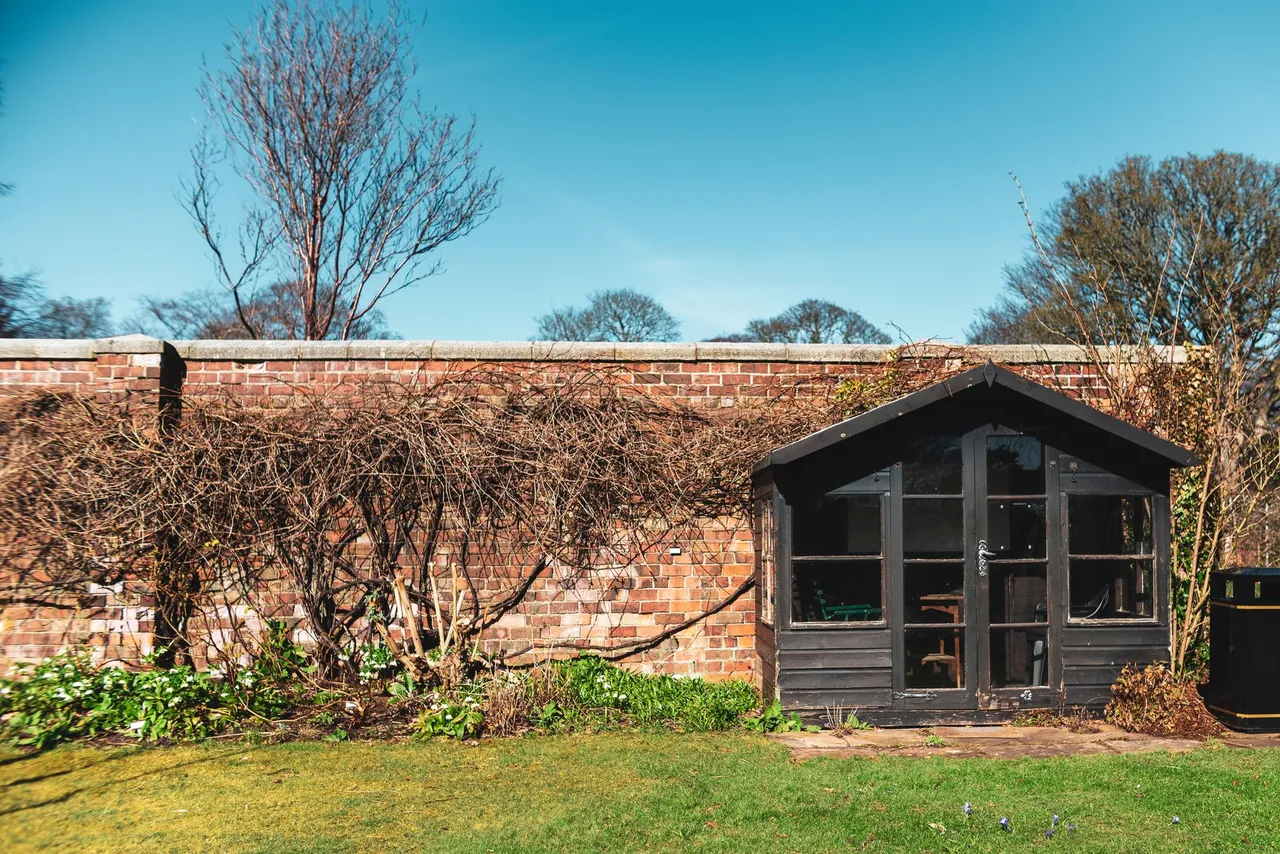
Preparing your property before the shed delivery truck arrives prevents re-delivery fees, weather-damaged panels, and scheduling delays. This checklist covers the pre-delivery phase only: what to measure, what to tell your supplier when booking, and what approvals to confirm in advance. For access planning during installation itself, see the related guide on residential shed access planning.
Why Pre-Delivery Preparation Is Worth Doing Early
Shed kits arrive as long, heavy bundles of steel or timber panels, roof sheets, and frame members. Even a modest garden shed kit may require a truck with a crane-arm (hiab) or a flatbed that cannot reverse easily into a narrow driveway. If the driver arrives and cannot safely reach the drop zone, you may face a re-delivery fee, or components could be left on a verge where they are exposed to weather and theft. Getting the right information to your supplier at booking — not on delivery morning — removes most of that risk.
Mapping the Entry Route Before You Book
Walk the full path from the kerb to your intended slab location and record the following before you contact your supplier:
- Kerb height and crossover condition. A hiab or flatbed is substantially heavier than a standard delivery van. An existing brick or older concrete crossover may need a temporary steel plate if the kerb is raised.
- Gate clear opening. Measure the actual clear gap, not the frame width. Hinges, latches, and slight sag all reduce usable clearance. Ask your supplier what minimum gate width their delivery equipment requires before confirming a date.
- Overhead clearances. Power lines, pergola beams, and tree branches all create vertical hazards for a hiab arm. Note their approximate height and flag them when booking.
- Driveway or side-access surface. Wet clay or sandy fill can cause a loaded truck to become bogged. If your access is unsealed and there has been recent rain, tell your supplier so they can discuss options such as a kerb-side drop or a smaller vehicle.
- Turning radius at the street end. A long flatbed may need to approach from a particular direction or use a neighbour’s kerb to swing in. Confirm this before delivery day, not during it.
Restrictions to Communicate to Your Supplier
Some site conditions require a direct conversation with your supplier before a delivery date is locked in:
- Narrow side passage. If your side passage is tight, long panels cannot be walked through horizontally. They may need to be tilted vertically or passed over a fence — both options need prior planning and may affect what vehicle size is appropriate.
- Soft or sloped ground near the drop zone. A hiab outrigger needs reasonably firm, level ground to operate safely. Raise significant slope or fill conditions early.
- Shared driveways or body corporate rules. Some Adelaide properties — particularly townhouse groups and older subdivided blocks — have shared access arrangements. Confirm that a commercial delivery vehicle can use that access and check whether a neighbour’s agreement or body corporate approval is needed before booking.
- Footpath or road-verge use. If components must be temporarily placed on the footpath or road reserve, check with your local council whether a permit is required. Requirements vary across metropolitan Adelaide councils, so ask rather than assume.
Approval Status: Confirm Before You Schedule Delivery
Delivery timing needs to align with your approval status. South Australia’s planning framework classifies development across multiple assessment pathways — including exempt, accepted, code assessed, and impact assessed — based on the potential impact and complexity of the proposal. PlanSA notes that some garden sheds may qualify as exempt development requiring no approval, while others require building consent or further assessment. The classification depends on your specific property and proposal.
Check with PlanSA or your local council before assuming your shed is exempt, and ensure any required approvals are in place before construction begins. Scheduling delivery of materials before approval is confirmed adds avoidable risk if the project needs to be modified.
A Hypothetical Scenario: What Can Go Wrong
This is an illustrative scenario, not a customer account.
Imagine a homeowner in a northern Adelaide suburb who books shed kit delivery for a Saturday. The side-gate opening is 2.1 m, the site is uncompacted fill from a recent landscaping job, and a power line crosses about 2 m above the fence line. The delivery truck arrives with a hiab, but the driver assesses that the soft fill creates a bogging risk and the overhead line prevents safe operation of the crane arm. Components are left on the verge. The homeowner then needs to manually carry 6 m roof sheets through the gate and store them under tarpaulins for a week.
Flagging those three conditions during booking would likely have changed the approach — perhaps a smaller vehicle, a temporary access board, or a kerb-side drop planned from the start.
Storing Shed Kit Components on Site Before the Slab Is Ready
If delivery happens before your slab is poured or cured, components need short-term on-site storage:
- Request the manufacturer’s handling and storage instructions for the actual panels and components. Ask the supplier to specify the required support, location and storage conditions before delivery.
- Ask what covering and moisture-management arrangements the manufacturer permits for the actual product and storage period. Do not substitute a generic tarp or wrapping recommendation for those instructions.
- Store fasteners, screws, and flashings in a lockable container or inside the house. Small fixings are easy to lose and individually expensive to replace.
- Check that your storage arrangement does not block emergency vehicle access or obstruct a neighbour’s sightline at a crossover.
Coordinating Delivery With the Slab Schedule
For an installed shed project, your builder typically coordinates material delivery to arrive when the slab is ready and the site is accessible. If you are managing a shed kit supply-or-installed project, clarify in writing who is responsible for delivery booking and whether the supplier communicates directly with the concretor. Mismatched scheduling is a common and avoidable source of delay. See also shed slab planning questions for a broader overview of slab timing and preparation.
Checking Builder Credentials Before You Sign Anything
If an installer is organising delivery as part of a supply-and-install contract, confirm in writing who bears responsibility for re-delivery fees, goods damaged in transit, and unloading labour.
South Australian consumers can verify that a building work contractor is licensed for the specific work proposed by asking to see their licence or searching the relevant occupation register. The SA Government notes that all building work must be supervised by a registered building work supervisor. If there is anything in a contract you do not understand, you can ask the contractor to explain it with reference to the contract document, or seek advice from Consumer and Business Services.
Once you have walked your access route, noted any restrictions, and confirmed your approval pathway with the relevant authority, you are well placed to have a productive conversation with a builder or supplier. Use the Shed Building Enquiries or Custom Shed and Workshop Enquiries pages to request a possible referral where available, or visit shed installation cost questions and shed roof style comparison questions to build your brief further before you do.
Further Reading
- PlanSA — Development application assessment pathways
- SA Government — Choosing a building professional
- SA Government — Building work contractor licensing
Discuss your project
This guide helps prepare questions; it is not a site assessment, design specification or professional approval. Read about shed builders in adelaide: project enquiries before making a project enquiry.