
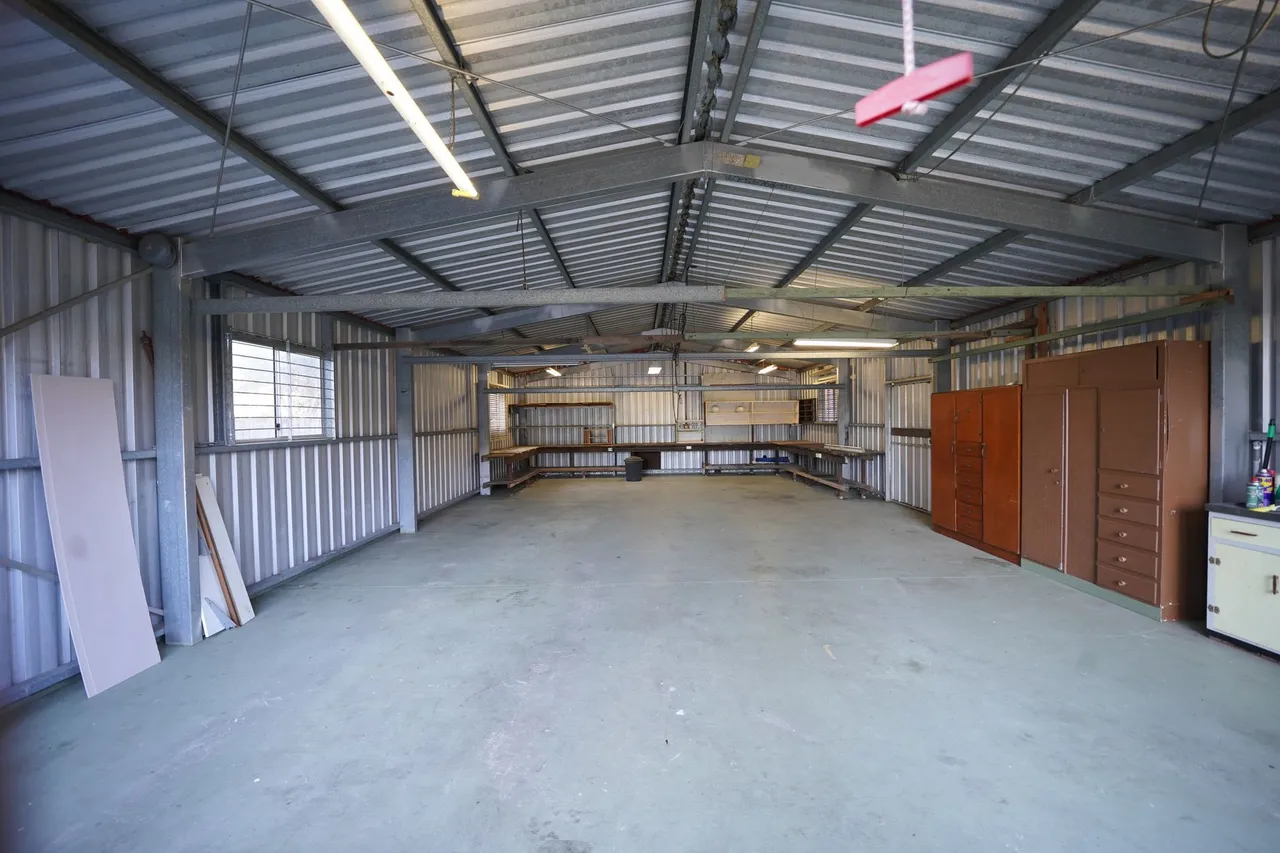
How long does shed construction actually take in Adelaide?
Shed construction in Adelaide rarely follows a single fixed timeline. From the moment you request a quote to the day you hang the first tool on the wall, the total elapsed time typically spans several distinct phases — each with its own variables. Understanding those phases helps you plan around them rather than be surprised by them.
The short answer: a straightforward residential shed can move from signed contract to completion in a matter of weeks, but approval pathways, site preparation and product lead times can each add time independently of one another. Getting clear information about each phase upfront is the most practical thing you can do before committing.
Why approval timing is the hardest variable to predict
In South Australia, whether a shed or garage requires a development application — and which assessment pathway applies — depends on your specific proposal and property rather than a single universal rule. PlanSA outlines several assessment pathways, and the one that applies to your project affects how long the approval stage takes before any physical work can begin.
Some structures may qualify for a streamlined or exempt pathway; others require more involved assessment. Rather than assuming your project is exempt based on a neighbour’s experience, it pays to check with PlanSA or your local council directly for your property and intended structure. Approval timing is entirely outside a builder’s control once the application is lodged, so factoring in a buffer for this stage is sensible planning.
See also: Shed slab planning questions for how approval and slab preparation timelines can interact.
Product delivery: kit lead times and what affects them
If you are considering a steel shed kit, ask the supplier which components arrive prepared and which work takes place on site. Request a current dispatch estimate for the actual quoted system. Then confirm who books freight and installation, because those arrangements may have separate availability.
Factors that commonly affect kit delivery include:
- Customisation level — standard colour and dimension combinations are typically produced faster than custom configurations.
- Manufacturer location and freight distance — components shipped to Adelaide from interstate facilities add transit time.
- Seasonal demand peaks — late spring and early summer tend to see higher order volumes, which can extend production queues.
- Material availability — steel pricing and availability can affect production scheduling at certain times.
A useful habit is to ask the builder at quote stage: What is the current estimated lead time for this kit, and is that subject to change after I sign? Getting this in writing avoids later disappointment.
Related: Shed kit supply or installed project questions explores the difference between supply-only and fully installed arrangements, which also affects scheduling responsibility.
Preparation work: what needs to happen before the kit arrives
Site preparation is frequently underestimated as a source of timeline variation. The two most time-sensitive preparation tasks are slab construction and site access clearance.
Concrete slab curing is not negotiable on timing — a standard residential slab typically needs a minimum curing period before it can bear construction loads. That period is determined by the mix specification and conditions, so it needs to be planned around the kit delivery date, not the other way around. Ordering the slab to be poured immediately before the kit arrives is a common scheduling mistake.
Site access and clearing may involve:
- Removing existing structures or vegetation
- Levelling or compacting fill
- Ensuring vehicle and crane access to the slab location
- Connecting temporary services if required for tools
If your block has unusual slope, restricted access, or requires retaining work, these add separate contractor coordination to the schedule. Getting a site visit from a builder before signing can surface these issues early.
For more detail on slab-specific questions: Shed slab planning questions.
A hypothetical scheduling scenario
This is a simplified illustrative example, not a customer account or guaranteed timeline.
Imagine a homeowner in Adelaide’s southern suburbs planning a 6×9 metre workshop shed on a relatively flat block. The sequence might look like this:
- Initial enquiry and site assessment — 1 to 2 weeks
- Quote accepted, development application lodged — varies by pathway
- Approval received — dependent on council and assessment pathway
- Slab poured and curing period — several weeks
- Kit ordered post-approval (or in parallel if approval pathway allows) — manufacturer lead time
- Kit delivered and installation scheduled — typically a few days of on-site work
- Any electrical or plumbing fit-out — separate trade scheduling
Notice that steps 2–5 can overlap or run sequentially depending on how the builder and homeowner coordinate, and that steps 2 and 3 are outside anyone’s direct control. The total elapsed calendar time from step 1 to step 6 could range from two months to considerably longer depending on each variable.
Fit-out and trade work timing
If your shed will include electrical wiring, lighting, a subpanel, plumbing for a workshop sink, or insulation, these require licensed trades booked separately from the structural build. Electrical and plumbing work in South Australia requires licensed contractors, and their scheduling is independent of the shed builder’s availability.
Insulation installation, if planned, benefits from considering climate and intended use at the design stage rather than as an afterthought. Questions worth raising with your builder or designer include how the structure will handle condensation and whether the ventilation design suits your intended use — a vehicle storage shed and a temperature-sensitive workshop have different requirements.
See Custom Shed and Workshop Enquiries if your project includes workshop-specific fit-out needs.
How to stay updated through the construction process
Timeline communication is one of the most common sources of frustration in construction projects generally. Before work begins, it is worth establishing:
- A single point of contact — who do you call if you have questions, and how quickly should you expect a response?
- Milestone notifications — will you be told when the kit is ordered, when it ships, when the slab is booked?
- Approval status — who is managing the approval lodgement and tracking, and how will you be notified of any requests for additional information?
- Scope change process — if something changes after signing (a product is discontinued, a site issue emerges), what is the process for communicating that and adjusting the schedule?
The SA Government advises that consumers can ask builders to explain any contract terms that are unclear, and can verify that the contractor is licensed for the specific type of work proposed. Checking the relevant register before signing is straightforward and provides a basis for more confident conversations about timeline and responsibility.
See Shed Building Enquiries or Garage Building Enquiries to connect with a builder who can discuss your project’s specific schedule.
Checklist: questions to ask at quote stage about timing
Use this as a preparation guide before you meet with a builder:
- What assessment pathway is likely to apply to my project, and who manages the application?
- What is the current manufacturer lead time for this kit configuration?
- When does the slab need to be poured relative to kit delivery?
- What site preparation work is included in the quote, and what is not?
- Who coordinates electrical and plumbing trades, and are they included in the schedule?
- What is your process for communicating delays or changes?
- Can I see your licence details for this type of work?
For related cost and options context, see Shed installation cost questions and Shed roof style comparison questions.
Further reading
- PlanSA: Assessment pathways — understand which pathway may apply before lodging an application
- SA Government: Choosing a building professional — practical guidance on verifying licences and asking the right contract questions
- SA Government: Building work contractor licensing — how contractor licensing works in South Australia
- YourHome: Insulation — background on insulation, climate and moisture considerations for building design
Discuss your project
This guide helps prepare questions; it is not a site assessment, design specification or professional approval. Read about shed builders in adelaide: project enquiries before making a project enquiry.